
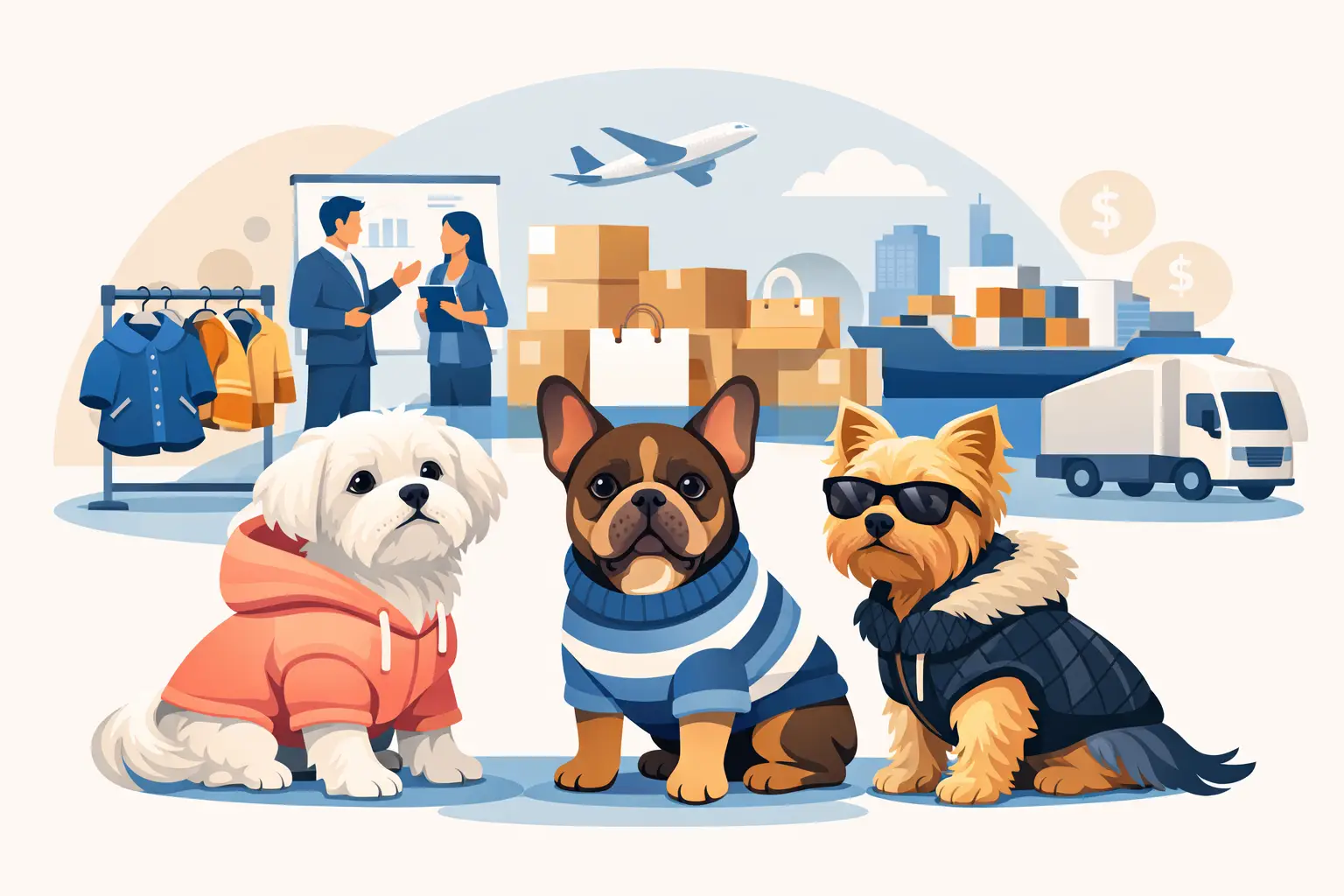
A dog hoodie that loses its shape after three washes or a raincoat that leaks at the seams does more than create returns. It weakens the customer’s confidence in the brand. That is why designer dog clothes wholesale: premium market opportunity is not simply a fashion trend for retailers. It is a product-development and manufacturing opportunity for businesses prepared to combine visual identity with real pet-care performance.
For private-label brands, importers, specialty retailers, and established pet suppliers, premium pet apparel can create a higher-value category with repeat purchase potential. The opportunity is strongest when the product range is designed around practical use, consistent sizing, durable fabrics, and a manufacturer that can reproduce standards reliably across future orders.
Why Premium Pet Apparel Is a Commercial Category
Pet owners increasingly view pets as members of the household, and their purchasing behavior reflects that shift. They are willing to pay more for products that look considered, feel comfortable, and solve a clear problem. A well-made dog raincoat protects against wet weather. A drying coat reduces mess after walks or baths. A cotton robe, sweater, or hoodie can add comfort while giving a brand a distinctive visual signature.
For wholesale buyers, the premium position matters because it moves the conversation beyond price alone. Basic pet clothing is easy to source and easy to compare. Designer-led apparel with dependable construction, branded details, and purposeful fabric selection is harder to replace. This creates room for healthier margins, stronger customer loyalty, and a more defensible retail assortment.
The category also supports natural collection building. A brand can begin with a core raincoat or dog hoodie and expand into harnesses, leashes, sweaters, bathrobes, towels, and drying coats. Products can be coordinated by color, trim, logo application, and packaging to encourage multi-item purchases without forcing a brand to compete in every pet accessory segment at once.
Designer Dog Clothes Wholesale: Where the Value Comes From
Premium does not mean adding a logo to an ordinary garment. It means making deliberate decisions about material, fit, function, and finish. The most successful wholesale collections offer a clear reason for customers to trade up.
Function must support the design
A raincoat should provide appropriate water resistance while allowing a dog to move comfortably. A dog sweater needs softness and warmth, but it must also hold its shape and remain practical for regular laundering. Drying coats and microfiber towels need genuine absorbency, not just a plush appearance. When these basics are missed, attractive styling will not sustain repeat demand.
The right specification depends on the product. Lightweight rainwear may suit urban walks and seasonal assortments, while heavier outerwear can suit colder markets. A bathrobe collection may focus on soft cotton or absorbent microfiber, depending on the intended use and target price point. There is no single ideal fabric. The better question is whether the fabric supports the customer promise.
Fit is a brand issue, not a technical afterthought
Sizing problems are among the fastest ways to create costly returns in pet apparel. Dogs vary widely by breed, body length, chest circumference, neck size, and coat type. A premium range should therefore be developed with a logical size chart, adjustable closures where appropriate, and sufficient testing across representative body shapes.
Brands should resist the temptation to offer too many sizes before the fit system is proven. A disciplined launch range can be easier to manufacture consistently and easier for retail staff or online customers to understand. Once sales data reveals the strongest demand, the size offering can be expanded with greater confidence.
Details create perceived and actual quality
Clean stitching, secure fastenings, finished edges, easy-to-use closures, and durable label placement all affect the customer experience. These details may appear small during development, but they are highly visible in use. A loose strap, rough interior seam, or poorly positioned closure can make an otherwise strong product feel inexpensive.
Private-label buyers should also consider the branding elements early. Woven labels, embroidery, printed logos, color-matched piping, custom hangtags, and packaging can strengthen product recognition. However, customization should serve the collection rather than complicate it. Excessive variations increase development time, inventory risk, and quality-control demands.
Building a Wholesale Range That Can Scale
A commercially sound collection starts with a focused product architecture. Rather than launching many unrelated items, brands should identify the role each product plays in the assortment. One item may drive volume, another may provide a premium gift option, and a third may encourage add-on sales.
A practical initial range might include weather protection, comfort apparel, and post-bath care. For example, a dog raincoat can meet an immediate functional need; a hoodie or sweater supports everyday wear; and an absorbent towel or drying coat extends the brand into grooming and home care. These products appeal to different occasions while still feeling connected as one collection.
Color planning deserves equal attention. Seasonal colors can create excitement, but dependable neutrals often carry repeat-order value. Many buyers benefit from pairing core colors with limited seasonal accents. This approach reduces inventory exposure while keeping the range fresh for retail partners and consumers.
Price architecture should be established before sampling is finalized. Better fabric, more detailed construction, and custom finishing can support premium retail pricing, but only if the end customer understands the benefit. The wholesale price, retail target, packaging cost, freight considerations, and expected margin should all inform product development. A product that looks premium but leaves no margin for the retailer is not a sustainable wholesale proposition.
Choosing a Manufacturing Partner for Repeat Orders
The premium market is built on consistency. A strong first sample is valuable, but repeatability is what protects a brand over time. Buyers should assess whether a manufacturer can maintain agreed specifications across sizes, colors, and production runs.
This includes fabric consistency, stitching standards, measurement tolerances, accessory quality, labeling accuracy, and packaging requirements. It also includes clear communication when an input material changes or a technical compromise is necessary. Reliable manufacturing is not about claiming that every request is possible. It is about identifying the best route to a product that can be produced at the required quality level and delivered again.
Turkey offers a meaningful advantage for brands seeking textile expertise, flexible custom development, and established production capability. For pet apparel, that experience is especially relevant where garments must combine comfort, absorbency, washability, and durable construction. Oya Textile applies Made-in-Turkey craftsmanship to private-label pet textiles designed around each customer’s specifications, from dog raincoats and hoodies to bathrobes, towels, and drying coats.
Sampling should be treated as a commercial checkpoint, not a formality. Before approving production, brands should review the sample for fit, fabric hand feel, performance, trim quality, label placement, and wash behavior. If the product is intended for outdoor use, test it in realistic conditions. If it is designed for drying, assess absorbency after repeated laundering. A clear approval process helps prevent expensive corrections after bulk production begins.
The Trade-Off Between Fashion and Operational Simplicity
A premium collection can become difficult to manage when every product has unique materials, hardware, colors, and packaging. Originality is valuable, but operational discipline is what allows a brand to grow. The most successful ranges often share components where customers will not perceive a compromise.
For instance, a consistent closure system across several coat styles can simplify production and improve customer familiarity. A shared color palette across apparel and bath textiles can make the collection more recognizable while reducing sourcing complexity. Conversely, a signature trim or special fabric may be worth protecting if it is central to the brand identity.
The right balance depends on the buyer’s route to market. A boutique brand may prioritize distinctive limited runs and storytelling. A wholesaler supplying multiple retailers may need broader size coverage, dependable lead times, and proven core styles. An ecommerce business may place greater value on fit guidance, easy care, and reduced return risk. Product development should reflect those realities from the start.
Turning Product Quality Into Market Confidence
Premium pet apparel sells best when its value is easy to explain. Retailers need clear product information, and consumers need to understand why a garment costs more than a basic alternative. Explain the practical benefit: absorbent fabric, comfortable fit, weather protection, soft interior construction, durable finishing, or easy-care performance.
Consistency also builds confidence across channels. Product names, size guidance, care instructions, and material descriptions should align across packaging, wholesale catalogs, and ecommerce listings. When a customer receives the same quality and clarity at every touchpoint, the brand earns the credibility needed for repeat purchases.
The premium opportunity is not about making pet clothing more complicated. It is about making it more dependable, purposeful, and recognizable. Brands that begin with a focused range, test the products honestly, and choose manufacturing standards they can maintain will be better positioned to turn a single dog coat or drying robe into a lasting category relationship.
