

A bath towel may look like a straightforward product, but its performance is decided long before it reaches a hotel room, retail shelf, or ecommerce fulfillment center. Towel factories control the details that buyers feel immediately: absorbency, weight, softness, drying time, color consistency, edge durability, and how the towel holds up after repeated commercial laundering. For private-label brands and hospitality buyers, those details determine whether a product earns repeat orders or creates costly complaints.
The right manufacturing partner does more than produce towels to a measurement sheet. It helps translate a brand requirement into a repeatable product specification, balancing quality expectations with the realities of target pricing, use conditions, packing, and replenishment needs.
What Towel Factories Actually Control
Towel production begins with decisions that are often invisible in a finished product. Fiber selection is one of the first. Cotton remains the preferred choice for many bath towel programs because it offers natural absorbency, a familiar hand feel, and broad market appeal. Yet not all cotton yarns perform the same way. Yarn quality, staple length, twist level, and spinning method influence how soft a towel feels, how much lint it produces, and how well it keeps its structure through washing.
A lower-twist yarn can create a fuller, softer towel with strong initial absorbency. It may be an excellent fit for premium home collections, spas, or boutique hotels. A higher-twist construction often creates a firmer, more durable towel that can be better suited to intensive laundry cycles. Neither option is automatically better. The correct choice depends on whether the buyer prioritizes a plush guest experience, a fast-drying product, long service life, or a particular price point.
The fabric construction matters just as much. GSM, or grams per square meter, is frequently used as a shortcut for towel quality, but it should not be treated as the only purchasing criterion. A heavier GSM can provide a more substantial, luxurious feel, but it also requires more drying time and can increase freight weight. A lighter towel can reduce laundry costs and dry faster, which is valuable for high-turnover accommodation operations. Construction, yarn quality, pile height, and finishing all affect the final result alongside GSM.
The difference between a sample and a supply program
A well-made pre-production sample proves that a factory can create a concept. It does not, by itself, prove that the same quality can be maintained across a large order and future reorders. Commercial buyers need consistency across dye lots, sizes, embroidery placement, labels, carton quantities, and finishing.
This is where manufacturing discipline becomes essential. A dependable supplier documents approved specifications and monitors the production stages that can cause variation. If an ivory towel shifts noticeably between shipments, or a branded woven label is positioned inconsistently, the product line can lose its professional appearance. For hotels, inconsistency can affect guest-room standards. For retailers, it can create returns and weaken trust in the brand.
Choosing Towel Factories for Your Market
The best factory fit depends on where and how the product will be used. A towel designed for a resort laundry operation has different demands than a giftable retail set or a dog drying coat. Buyers should begin with the intended end use rather than selecting a towel solely from a standard catalog image.
For hotel and accommodation programs, durability, laundering performance, dimensional stability, and replenishment capacity are central considerations. Towels must remain presentable after repeated wash and dry cycles while providing a comfortable guest experience. A hotel may choose white towels for operational flexibility, but it still needs dependable whiteness, consistent sizing, and secure hems.
For retail and private-label bath collections, differentiation may carry more weight. Custom border designs, jacquard patterns, embroidered logos, woven labels, color palettes, packaging, and coordinated bathrobes can turn a standard towel into a recognizable branded product. The challenge is to make those elements commercially practical. A highly detailed design may require a higher minimum order quantity or a longer development process. A good manufacturing partner explains those trade-offs early, before artwork and packaging decisions become expensive commitments.
Specialized textile categories require even more specific thinking. Baby towels should prioritize gentle materials, safe components, and carefully considered finishing. Pet towels and dog bathrobes need absorbency, practical sizing, secure closures where applicable, and fabrics that work for everyday cleaning routines. A factory with experience across bath, hospitality, baby, and pet textiles can help buyers apply the right performance standard to each category instead of using one generic towel specification for every product.
Questions worth asking before production begins
The most productive sourcing conversations are specific. Rather than asking for a “premium towel,” define what premium means for your customers. Is it a dense pile, low linting, a soft hand feel, faster drying, an organic cotton option, or elevated presentation? Clear priorities lead to better sampling and more accurate pricing.
Buyers should also establish the expected wash conditions, target GSM range, towel dimensions, color standards, logo application method, packing requirements, and acceptable tolerances. Ask how the factory manages shrinkage, color matching, inspection, and replacement planning for repeat orders. These are not minor technical points. They are the operational details that protect a product program once it moves beyond its first shipment.
It is also wise to discuss forecast volumes honestly. Custom manufacturing works best when both parties can plan around realistic order patterns. A supplier can advise on material purchasing, production scheduling, and packaging efficiency when it understands whether a buyer needs seasonal retail inventory, regular hotel replenishment, or a phased product launch.
Quality Checks That Protect Your Brand
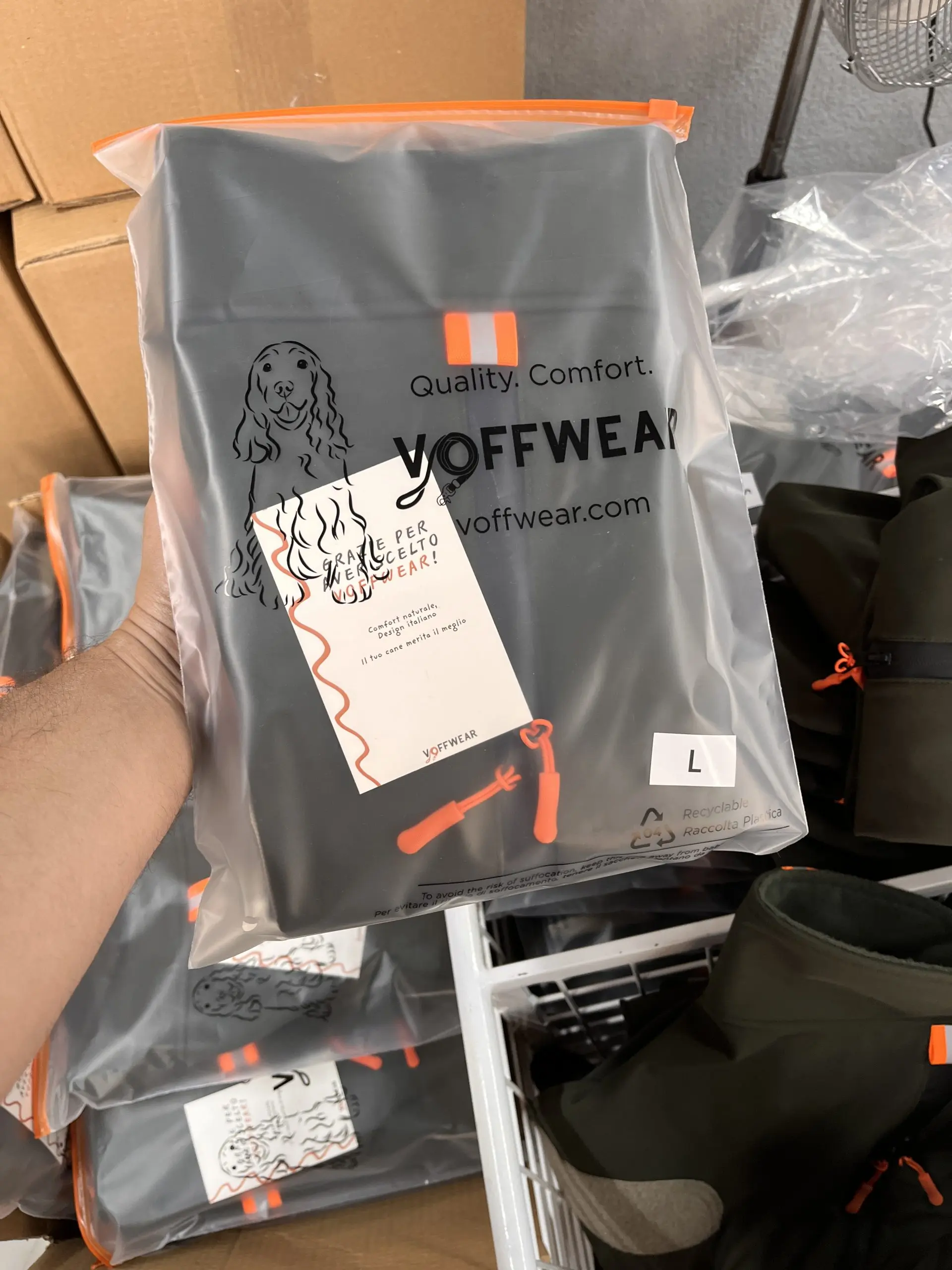
Quality control should be part of the production process, not a final inspection performed after every decision has already been made. Leading manufacturers monitor raw materials, weaving or knitting, dyeing, cutting, sewing, finishing, branding applications, and packing. Each stage has different risks.
For example, a towel can have the right GSM but still disappoint because of uneven pile, weak stitching, loose threads, poor color fastness, or inconsistent dimensions. A properly structured inspection process checks the factors most relevant to the product. Hotel buyers may focus heavily on stitching strength and wash durability. Retail buyers may pay closer attention to presentation, color uniformity, label quality, and pack appearance. Both need reliable standards.
Testing should support the product’s actual purpose. Absorbency, shrinkage, color fastness, and dimensional stability are common areas of concern. For branded programs, buyers should request that approved samples become the reference point for bulk production. This creates a shared benchmark rather than leaving quality open to interpretation.
Customization Is More Than a Logo
Private-label towel development gives buyers many ways to create distinction, from custom sizes and border patterns to branded labels, embroidery, jacquard weaving, hangtags, and retail-ready packaging. However, customization should add a clear commercial benefit. A logo that washes poorly or packaging that raises costs without improving shelf appeal is not meaningful brand value.
The most effective custom programs align visual identity with end use. A luxury hotel may prefer restrained embroidery and a refined color palette. A wellness brand may select an oversized bath sheet and a soft, low-twist construction. A pet-care brand may need a compact microfiber towel or a cotton robe designed for post-bath drying. The product should feel intentional to the person using it.
Oya Textile supports this approach by combining Made-in-Turkey textile craftsmanship with custom production across hospitality, bath, baby, and pet categories. For buyers managing multiple product lines, working with a manufacturer that understands these different performance needs can simplify development while keeping the brand experience consistent.
Building a Supplier Relationship That Lasts
Price matters in every sourcing decision, but the lowest quote may not represent the lowest total cost. Problems with color variation, late delivery, weak packing, inconsistent measurements, or poor wash performance can quickly outweigh an initial unit-price saving. A dependable towel factory helps reduce those risks through clear specifications, realistic production planning, and consistent communication.
Start with a product brief that identifies the user, sales channel, target price, expected order quantity, and non-negotiable performance requirements. Review samples carefully, including after washing when possible. Once the product is approved, keep the specification stable and document any requested changes. This makes future reorders easier to manage and gives your brand a more consistent product story.
A towel is used close to the skin, often every day, and frequently in the moments when a guest or customer expects comfort. Choosing a factory that treats construction, finishing, and repeatability with the same care as design gives that everyday product a stronger reason to be remembered.
