

A dog drying coat that stays wet too long, a harness lining that rubs, or a raincoat that loses its shape after several washes can damage a pet brand faster than an attractive product photo can build it. Pet owners expect comfort, durability, and easy care. Retailers and private-label buyers need those expectations translated into clear manufacturing specifications before production begins.
This pet textile sourcing guide is designed for buyers building branded pet collections, from dog towels and bathrobes to hoodies, raincoats, harnesses, and leashes. The goal is not simply to find the lowest unit cost. It is to build a product program that performs consistently, supports your positioning, and can be reordered without unexpected changes.
Start With the Product’s Real Use Case
Pet textiles are not one category. A microfiber dog towel, cotton bathrobe, padded harness, and waterproof raincoat require different material decisions, construction methods, and quality checks. A sourcing brief should begin with how the product will be used, washed, stored, and sold.
For drying coats and pet towels, absorbency and drying speed are central. A dense fabric may feel premium on the shelf but dry slowly after use. Microfiber can offer excellent water pickup and practical care, while cotton-based options may better suit brands that prioritize natural fiber content and a soft hand feel. The right choice depends on the product promise, target price, and expected wash frequency.
For pet apparel, fit and movement are equally important. A dog hoodie or sweater needs stretch where the animal moves, stable seams where pulling occurs, and sizing that accounts for breed variation. A raincoat requires water resistance, but its closures, lining, and neck construction often determine whether it is comfortable enough to wear. Product design should reflect real pet behavior, not only a flat technical drawing.
Build a Clear Pet Textile Sourcing Specification
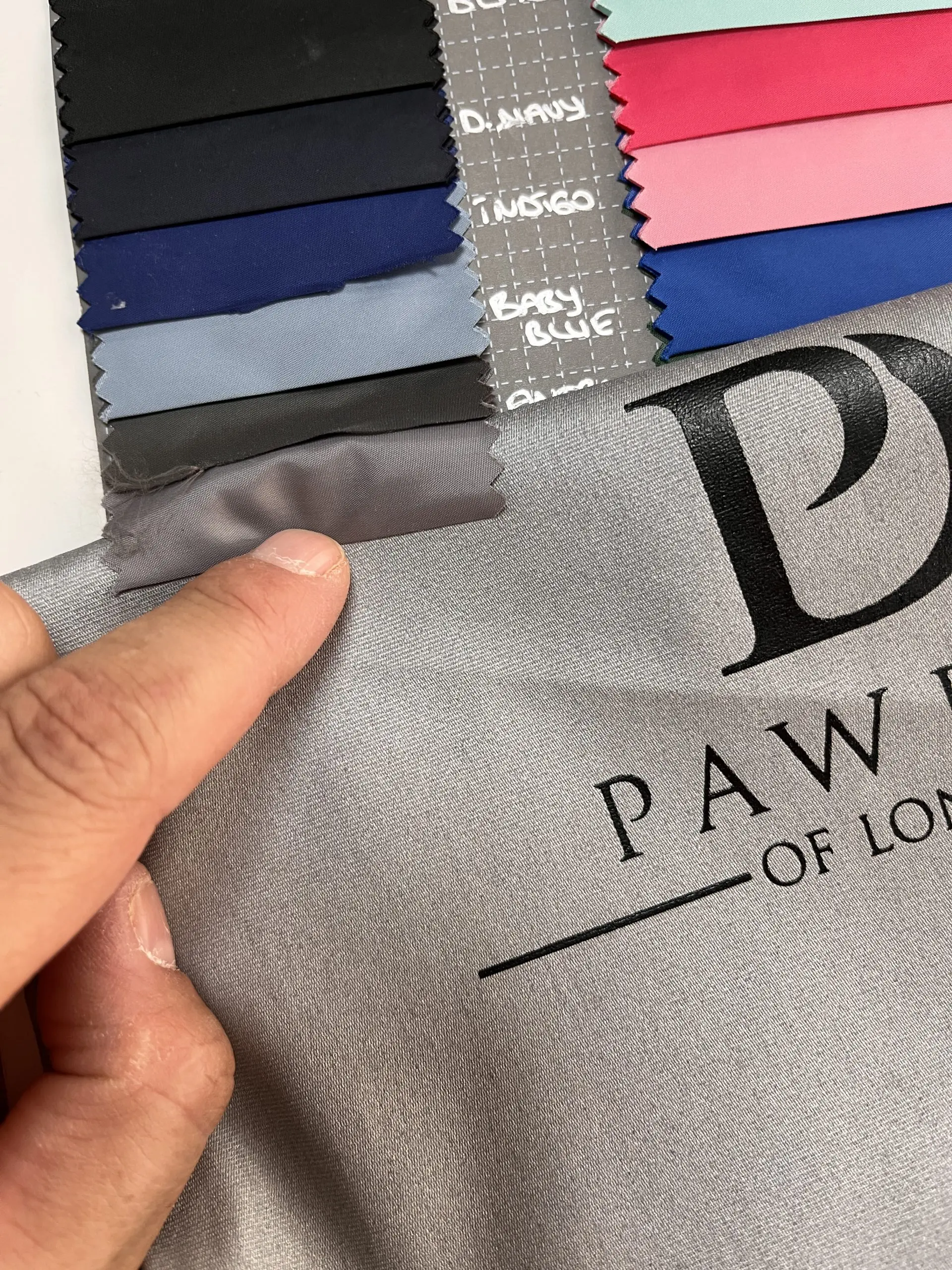
Vague requests such as “soft towel” or “premium dog raincoat” leave too much room for interpretation. A dependable supplier relationship starts with a specification that defines what quality means for your brand.
Your brief should identify the fabric composition, weight, color standards, dimensions, trims, labels, packaging, logo placement, and expected order quantity. For performance products, add measurable requirements. A towel may need a defined absorbency expectation. A raincoat may need a water-repellent finish, taped seams, or a lining that minimizes friction. A harness may need webbing strength requirements, hardware details, and reinforced stress points.
Sizing deserves particular attention. Pet products often generate returns because size charts are based only on a general label such as small, medium, or large. Provide body measurements, garment measurements, tolerances, and fit direction. Clarify whether the coat should fit close to the body, allow room for a sweater underneath, or accommodate a broad chest. A supplier can produce a consistent size range only when the measurement rules are consistent.
Choose Fabrics for Performance, Not Just Appearance
Fabric selection affects cost, customer satisfaction, and repeat sales. The best-looking swatch is not always the best production fabric. Ask how the material performs after repeated washing, whether it pills, how it reacts to moisture, and whether colors remain stable.
Cotton can be an excellent choice for pet bathrobes, towels, and comfort-focused apparel. It offers softness and familiarity, but the construction and weight must fit the intended use. A lightweight cotton robe may be suitable for a boutique gift product, while a heavier terry construction may better support a practical drying application.
Microfiber is frequently selected for dog towels and drying coats because it is lightweight, absorbent, and fast drying. Quality varies significantly, however. Fiber fineness, pile construction, fabric weight, and finishing all influence the final result. Compare samples after washing rather than relying on initial appearance alone.
Synthetic outer fabrics can provide useful protection for raincoats and outdoor apparel. Yet waterproof performance can reduce breathability if the construction is not considered carefully. A fully protective outer layer may be appropriate for wet-weather use, while a lighter water-repellent fabric may be better for everyday walks. The right balance depends on climate, seasonality, and your customer’s expectations.
Treat Construction as a Quality Decision
A well-chosen fabric cannot compensate for weak construction. Pet products face pulling, twisting, scratching, frequent laundering, and exposure to mud or moisture. Seams, closures, edge binding, and reinforcement should be reviewed as carefully as the base fabric.
For garments, inspect seam consistency around leg openings, chest panels, and closure areas. Hook-and-loop fasteners should be placed so they do not irritate the pet or catch delicate fabric. Zippers, snaps, and buckles need to suit the product’s intended user. A luxury dog robe may prioritize soft ties and refined finishing, while an outdoor raincoat may need adjustable, secure closures that remain functional in wet conditions.
Harnesses and leashes require an even more disciplined review. Webbing, stitching patterns, hardware quality, and load-bearing construction must align with the product’s stated purpose. Decorative choices should never compromise safety. If your line is intended for large or active dogs, communicate that clearly during development so material and construction choices reflect the demand.
Sample in Stages Before Approving Bulk Production
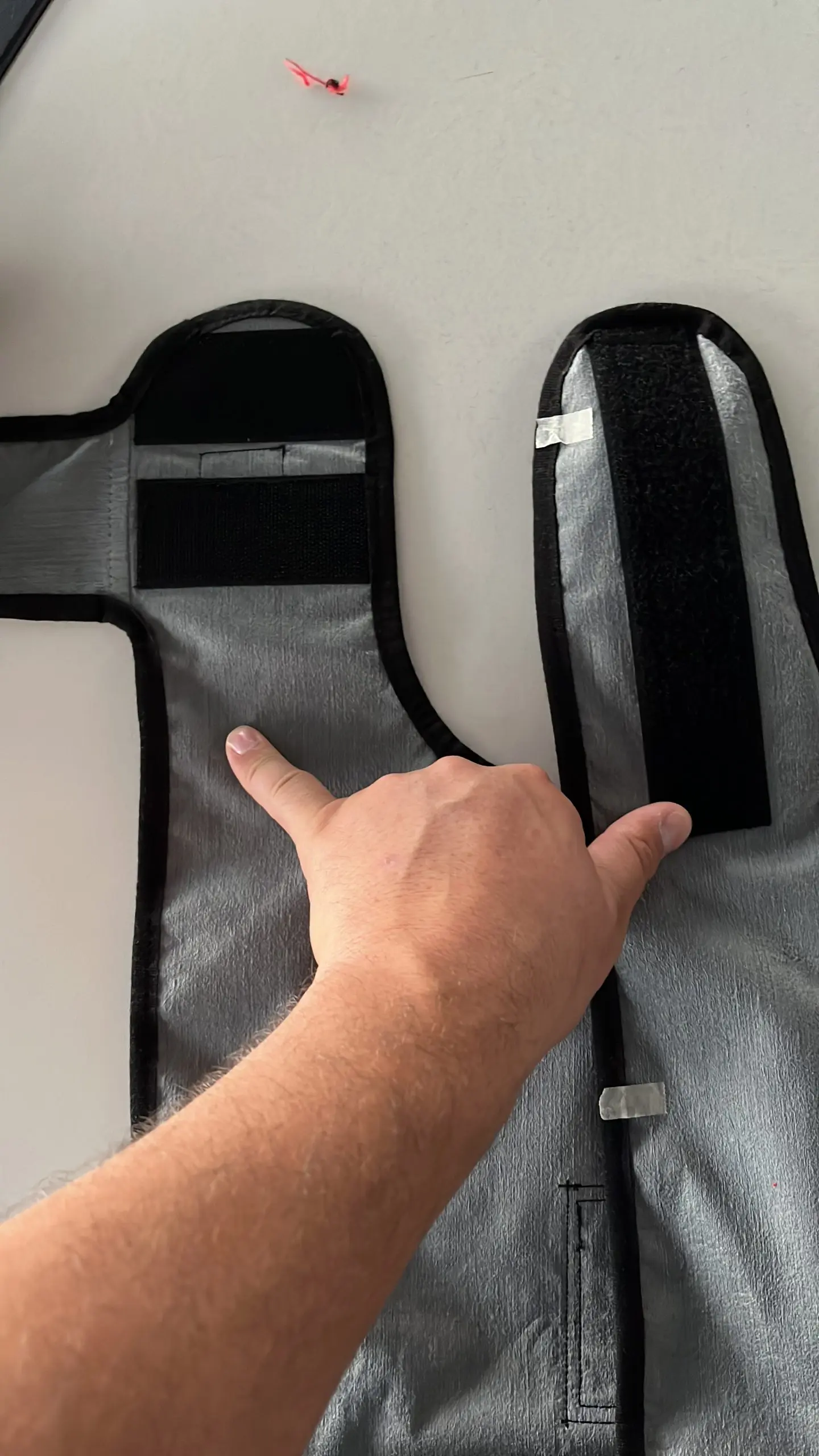
A sample is a decision tool, not merely a presentation piece. The first sample confirms whether the supplier understands the design. The next stages should confirm fit, materials, colors, branding details, and production readiness.
Request pre-production samples using the intended bulk materials whenever possible. A sample made from substitute stock may look correct but fail to represent the final product. Review the product after washing, drying, and normal handling. For towels and drying coats, test absorbency and drying time. For apparel, check shrinkage, shape retention, color transfer, and comfort. For rainwear, assess water exposure and closure performance.
Document every approved detail. A signed sample, measurement chart, color reference, trim list, and packaging specification create a production standard. This protects both buyer and manufacturer when repeat orders begin months later.
Evaluate a Supplier Beyond the Quotation
Price matters, but a quotation alone cannot show whether a manufacturer can protect your brand. Evaluate the supplier’s category experience, communication process, sampling capability, quality control approach, production capacity, and willingness to clarify details before committing to bulk manufacturing.
Ask direct questions about minimum order quantities, lead times, fabric availability, color matching, labeling options, packaging formats, and inspection procedures. A supplier should explain where trade-offs exist. A custom-dyed fabric may require more time than an available stock color. A highly detailed garment may need a higher minimum quantity to justify specialized cutting or printing. Clear answers are more valuable than unrealistic promises.
For brands sourcing across several categories, a manufacturer with broader textile knowledge can simplify development. Oya Textile supports custom pet textiles alongside bath, baby, and hospitality products, which can be useful for buyers creating coordinated towels, robes, accessories, or gift-ready collections under one private label.
Plan for Repeatability From the First Order
The first production run is only the beginning of a commercial relationship. If a product succeeds, the next order must match the approved standard in fabric feel, color, dimensions, branding, and packaging. This is where organized specifications and controlled sourcing make a measurable difference.
Avoid relying solely on verbal approvals or informal image references. Keep a master product file for every SKU, including approved samples, bill of materials, measurement tolerances, artwork files, and inspection points. When a fabric or trim becomes unavailable, require written approval before any substitution is made.
It is also wise to plan product families rather than isolated items. A dog towel can be developed with a matching drying coat, bathrobe, or travel pouch. A raincoat collection can share colors and trims with harnesses or leashes. This creates a stronger retail story while allowing more efficient material planning across the range.
Balance Customization With Commercial Practicality
Private-label pet products benefit from distinctive colors, embroidery, woven labels, packaging, and sizing systems. But every added custom element affects lead time, minimums, and inventory complexity. The most successful programs focus customization where the customer sees and feels it most clearly.
A signature color palette, a well-positioned logo label, and consistent packaging may strengthen recognition more effectively than adding multiple low-impact trims. For a new collection, it can be more practical to start with proven base constructions and customize the branding, then expand into fully bespoke patterns once demand is established.
A strong pet textile program is built through precise specifications, honest sample evaluation, and a manufacturer that understands the difference between a product that looks good at launch and one that earns repeat orders. Start with the pet’s real experience, protect the details in writing, and let every production decision support the reputation your brand intends to build.
