
A hotel group wants towels with a specific GSM, a softer hand feel, and its own woven label. A pet brand needs drying coats that fit its sizing system and packaging style. A baby essentials seller wants safe, repeatable fabrics under its own brand name. That is what private label textile manufacturing is in practice – producing textile goods for one company’s brand by a manufacturer that handles development, sourcing, production, and often packaging to the buyer’s specifications.
For business buyers, the model is straightforward but the execution is not. Private label gives you control over how your product looks, performs, and is presented to the market without requiring you to own a factory. In textiles, that can include everything from hotel bed sheets and bathrobes to microfiber towels, baby bibs, pet apparel, and mattress protectors. The manufacturer produces the goods, but your brand is what the customer sees.
What is private label textile manufacturing?
Private label textile manufacturing is the process of producing textile products that are made by a third-party manufacturer and sold under another company’s brand. The buyer defines the commercial and product requirements, and the manufacturer turns those requirements into finished goods at scale.
This is different from buying generic wholesale stock and simply reselling it. In a true private label arrangement, the product is built around your specifications. Those specifications may include fabric composition, weight, absorbency, stitching, sizing, trims, labels, embroidery, color palette, care labels, packaging, and carton standards. Depending on the category, it can also include performance needs such as wash durability for hospitality, softness for baby textiles, or practical water resistance for pet outerwear.
For many importers, retailers, hospitality groups, and ecommerce brands, private label is the middle ground between full vertical manufacturing and off-the-shelf sourcing. It offers brand ownership and product differentiation without the capital burden of running production internally.
How private label textile manufacturing works
The process usually starts with a product brief. A buyer may come to the manufacturer with a tech pack, a reference sample, or a simpler concept with target pricing and intended use. From there, the manufacturer reviews feasibility, recommends materials and construction options, and aligns the product with minimum order quantities, lead times, and quality expectations.
Sampling comes next. This stage matters because textiles are tactile products. A towel may meet the right GSM on paper but still miss the expected softness. A dog drying coat may look good in a drawing but need pattern adjustments for better fit. A hotel bathrobe may require a different collar construction to handle repeated commercial laundering. Samples help solve these issues before volume production begins.
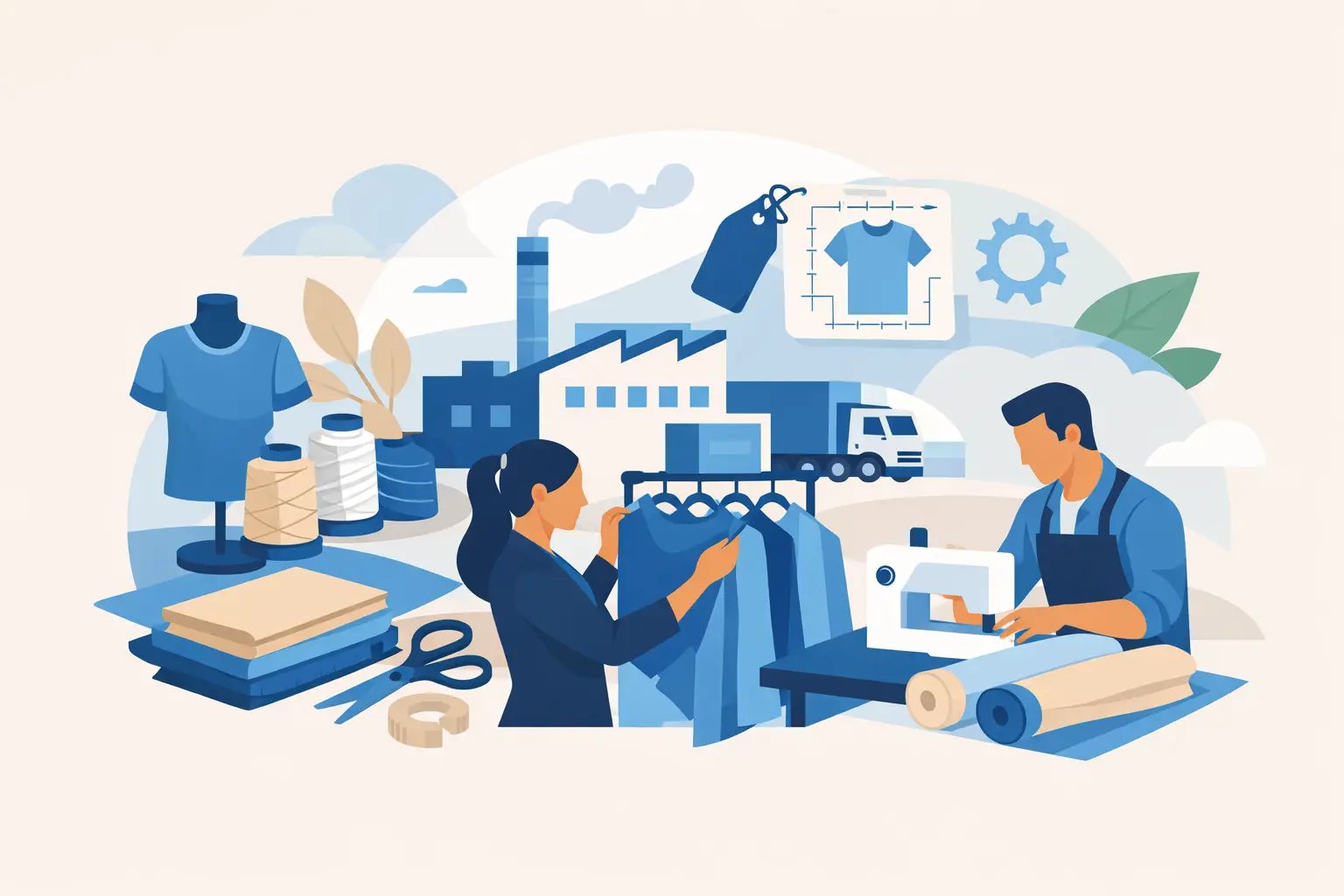
Once specifications are approved, production planning moves into sourcing, cutting, sewing, finishing, labeling, packing, and final inspection. In stronger manufacturing relationships, the supplier also helps standardize reorders so that future batches stay consistent. That consistency is often what separates a dependable manufacturing partner from a factory that simply takes purchase orders.
Why brands choose private label textiles
The biggest reason is brand control. If you are selling into a competitive market, whether that is hospitality, retail, ecommerce, or wholesale distribution, a generic product leaves little room to build pricing power or customer loyalty. Private label allows you to shape the product around your market position.
It also supports category-specific performance. Hotel buyers may need linens that stand up to repeated industrial washing. Baby product brands may prioritize skin-friendly materials and reliable stitching. Pet brands may need practical fabrics, reinforced seams, and fit consistency across sizes. A private label model gives you the ability to define those standards rather than accept a one-size-fits-all product.
There is also a commercial advantage. When your labeling, packaging, and specifications are unique to your brand, direct price comparison becomes harder. That can protect margin, especially in crowded product segments where generic goods are easy to replace.
Where private label works best in textiles
Private label textile manufacturing is especially effective in categories where performance, finish, and brand presentation affect the buying decision. Hospitality textiles are a strong example because hotels and accommodation providers need products that match both brand image and operational demands. Bed linens, slippers, bathrobes, towels, and mattress protectors all benefit from defined quality standards and repeatable supply.
Bath textiles are another natural fit. Weight, absorbency, drying speed, and hand feel vary more than many buyers expect. Private label makes it possible to create a towel line that reflects a premium spa positioning, a value-driven retail offer, or a commercial-use requirement.
In baby textiles, trust matters even more. Buyers want products that feel safe, soft, and consistent. Private labeling supports a controlled brand experience across bibs, blankets, towels, and other essentials.
Pet textiles have become one of the more interesting private label segments because the market is less standardized. Fit, functionality, and branding all matter. Products such as dog bathrobes, drying coats, hoodies, raincoats, harnesses, and towels often perform better commercially when they are tailored to a brand’s sizing, fabric priorities, and visual identity.
The trade-offs buyers should understand
Private label offers more control, but it also requires better planning. You are making decisions that affect cost, lead time, and production complexity. A custom woven label is simple enough. A fully custom fabric blend, non-standard sizing set, embroidered logo, and premium gift-style packaging will take more coordination and usually push minimums higher.
There is also a balance between customization and speed. If you need to launch quickly, adapting an existing manufacturing program with your branding may be the better option. If your goal is deeper differentiation, then a more custom development path makes sense. Neither approach is automatically better. It depends on your timeline, order volume, and market strategy.
Quality control is another area where assumptions can become expensive. A buyer may think the product is defined once the sample is approved, but production consistency depends on process control, material sourcing, inspection standards, and communication. That is why experienced buyers look beyond price and ask how the manufacturer manages repeatability.
What to look for in a private label textile manufacturer
The right factory should understand your category, not just textiles in general. A manufacturer that produces hospitality goods will think differently about laundering performance than one focused only on fashion. A supplier experienced in baby textiles should understand the importance of softness, construction quality, and dependable finishing. A producer with pet textile expertise will be better equipped to handle practical fit and use-case questions.
Manufacturing capability also matters. Buyers should ask whether the supplier can manage the full process from sampling to bulk production, labeling, and packaging. It is also worth reviewing how the manufacturer handles fabric sourcing, color consistency, quality inspection, and shipment preparation.
Communication is often the hidden factor. The best partnerships are collaborative but disciplined. A dependable manufacturer will flag risks early, explain trade-offs clearly, and avoid promising unrealistic lead times or prices.
For many international buyers, production origin is part of the decision as well. Made-in-Turkey textile manufacturing is attractive because it combines established textile craftsmanship, strong production know-how, and practical access to key export markets. For brands that need a serious manufacturing partner rather than a trading intermediary, that can be a meaningful advantage.
What is private label textile manufacturing really buying you?
At its best, it is not just outsourced production. It is a way to build a textile line that belongs to your brand while relying on specialized manufacturing expertise. You are buying capability, repeatability, and the ability to bring a product to market with your own identity and standards.
That matters more as your business grows. Early on, private label may help you launch faster with lower capital risk. Later, it can help you standardize quality across regions, support larger reorder cycles, and protect your market position with products competitors cannot easily copy.
For buyers in hospitality, retail, baby, bath, and pet categories, the question is not only what is private label textile manufacturing. The better question is whether your current sourcing model gives you enough control over quality, brand presentation, and long-term supply. If the answer is no, working with an experienced manufacturer can move your product line from replaceable to recognizable – and that is where stronger brands are built.
